
CSR Crisis Management: Safeguarding Social Integrity & Brand Reputation
Topics covered: Discover how Terraxis helps corporates in Switzerland manage CSR crises, protect brand value, and fulfil regulatory duties under Art. 328 & 964 CO.
Summary: Key Takeaways
CSR crises often trigger a breakdown of trust, affecting brand reputation, talent retention, stakeholder confidence, and legal exposure. Leading organisations are shifting from passive sustainability reporting toward active crisis preparedness, independent review, and corporate resilience governance.
Terraxis provides confidential, neutral support for ethical and organisational crises through investigations, mediation, and people-risk recovery frameworks aligned with Swiss obligations. Decisive action within the first 48 hours, strategic neutrality, and cultural remediation are critical pillars of any defensible CSR response.
Mediation and joint fact-finding provide cost-effective, confidential alternatives to public disputes, supporting corporate responsibility reporting. Psychosocial health and compliance are intertwined, protecting your internal company culture is as vital as managing public narrative.
The Cost of a Social Purpose Breach: The Price of CSR Failure
A CSR crisis is more than a reputational ding; it represents a "trust bankruptcy". When an ethical scandal erupts, it doesn’t just hit your brand; it cascades through your share price, erodes employee morale, and exposes you to significant legal and regulatory risks.
For compliance officers, such an incident means heightened scrutiny under FinSA/LSFin and Swiss Code obligations. HR leaders contend with a demoralised workforce and rising psychosocial risks. CEOs and owners must reassure stakeholders, manage media fallout, and maintain investor confidence, all while continuing business operations.
A CSR crisis is not just a communications problem; it is a failure of governance, culture, and corporate strategy. Proactive, independent crisis management is the only credible containment strategy. At Terraxis, we observe a fundamental shift: organisations must move from passive reporting toward active CSR engagement and crisis management framework readiness.
From Passive Reporting to Active CSR Crisis Preparedness
Traditionally, CSR has been seen through the lens of annual reports and "good news" press releases. But in today’s environment, stakeholder trust is fragile, and regulatory oversight is unforgiving. The shift is clear: routine sustainability claims are no longer enough; companies must demonstrate real crisis preparedness, response speed protocols, and defensible governance models.
Why This Matters for Swiss Corporates
Swiss law is changing the landscape. Art. 328 CO (Employer Duty of Care) mandates the protection of psychosocial health and psychological integrity, while Art. 964 CO and the nFADP (Data Protection) expose companies to liability for ethical lapses. Internal investigations lacking independence now fail both regulators' and the public’s credibility tests.
Terraxis delivers practical, independent frameworks, transforming crisis exposure into a structured pathway for evidence-based mitigation and organizational sustainability.
Defining the Modern CSR Crisis Landscape
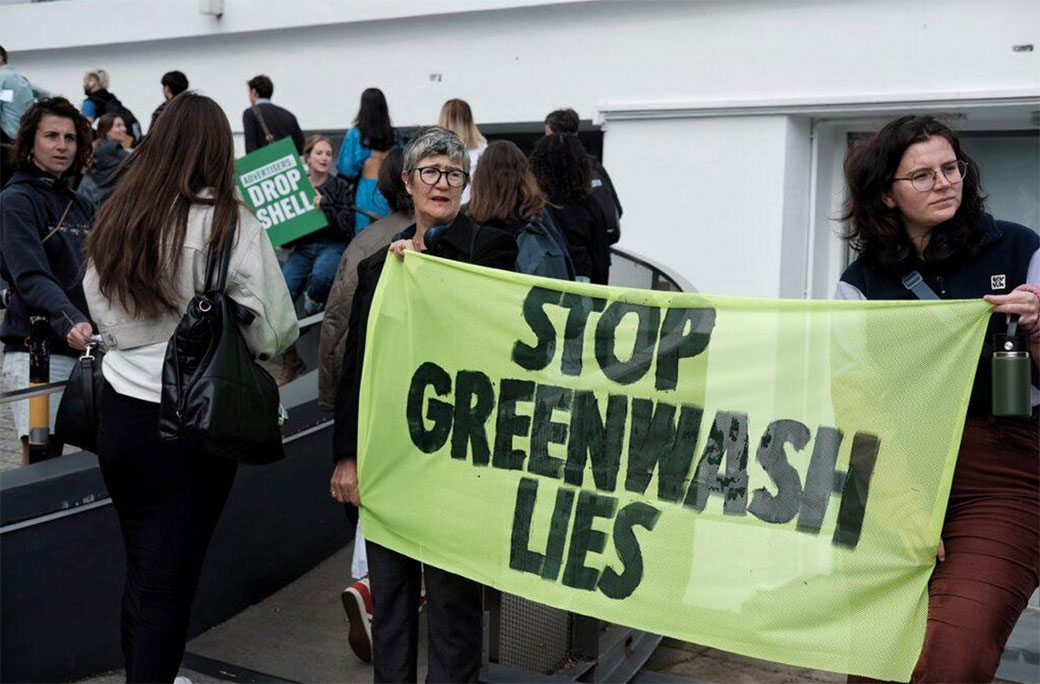
1. The "Greenwashing" Trap:
Public backlash now follows any hint of exaggerated ESG (Environmental, Social, Governance) claims. Swiss and EU regulators are moving rapidly against misleading environmental disclosures. Fines and reputation loss for ‘greenwashing’ are real risks for Swiss-based firms.
2. The "Shadow" Liability of Supply Chains:
Global ethical breaches, from child labor to environmental mismanagement, do not stay at the source; they manifest locally as a moral injury to your Swiss workforce and a trust gap with stakeholders. Under Art. 964 CO, simply reporting a supply chain issue is no longer enough; companies must demonstrate credible remediation.
Terraxis provides the neutral framework to bridge this gap, facilitating independent dialogue, mediation, and structured remediation planning between organisations and affected stakeholders (NGOs, communities, or employees), ensuring that the CSR response is not just a PR exercise but a genuine restoration of social capital. By integrating Psychosocial Risk Management into the recovery process, we help organizations heal the internal culture shocks that inevitably follow a public CSR failure.
3. Moral Injury & Internal Culture
A growing risk is internal values misalignment where public commitments differ from employee reality. This refers to internal misconduct (e.g. harassment, discrimination, or retaliation) that directly contradicts corporate value statements. It creates a disconnect between public claims and employee experience, driving whistleblower actions and damaging corporate reputation.
4. The Regulatory Trigger
Recent changes, such as the nFADP and Art. 964 CO, mean that what previously were "soft" issues (e.g. code of conduct breaches) are now "hard" liabilities. Real-time reporting and transparent responses aren’t just best practices—they are legal obligations. Expert Insight: While Swiss law (Art. 964 CO) currently focuses on financial materiality, Swiss regulators and international partners are rapidly shifting toward "Double Materiality" standards. Shareholder value, CEOs, compliance officers, and HR leaders must proactively align sustainability narratives with these evolving global frameworks to ensure long-term defensibility.
The Three Pillars of CSR Crisis Response

Pillar 1: The 48-Hour Response Checklist
In a CSR crisis, the digital narrative is set within 48 hours. Without a structured response, AI-driven news scrapers and social algorithms will fill the vacuum with speculation.
Immediate Action Steps:
- Objective Documentation: Secure internal communications and ESG logs to establish a neutral, evidence-based foundation for resolution.
- Stakeholder Triage: Categorize notifications by priority (Regulators > Employees > Investors > Media).
- The "Truth-First" Statement: Release a verified statement of intent that acknowledges the issue without admitting premature liability, signalling that an independent investigation is already underway.
Pillar 2: The Trust Advantage - Why Independent Oversight Succeeds.
Beyond legal requirements, external neutrality restores the psychological safety that internal reviews often fail to reach. Strategic CSR implementation involves more than just hiring a lawyer; it’s about utilizing a Joint Fact-Finding (JFF) framework. By involving a neutral third-party ombudsman, you satisfy the "independence" requirement of Art. 964 CO and provide a "safe harbor" for whistleblowers who would otherwise go to the press. This external validation acts as a "Trust Shield" during regulatory audits.
Immediate Action Steps:
- Document facts via joint fact-finding to avoid accusations of "whitewashing."
- Use external review to facilitate open dialogue and restore organizational attractiveness.
Pillar 3: Cultural Redress
Moving beyond reputation management, the third pillar is about real cultural healing:
- Address psychosocial risks stemming from ethical breaches (burnout, exit waves).
- Rebuild trust through restorative dialogue and mediation.
- Audit internal culture for alignment with your public commitments and stakeholder expectations. Explore our Workplace Crisis Management Blog for actionable tactics and real-world case studies.
Environmental & CSR Mediation - The Resolution Engine
ADR: Cost-Effective, Private, and Credible
Alternative Dispute Resolution (ADR), such as mediation, provides a confidential and cost-effective alternative to litigation. It allows organisations to resolve CSR-related disputes without escalation to legal or public channels.
Alternative Dispute Resolution Benefits include:
- Faster resolution timelines
- Cost savings on legal fees
- Preservation of commercial relationships
Joint Fact-Finding: Neutralising "Greenwashing" Before Court
When environmental or social data is challenged, joint fact-finding, led by certified neutral experts, creates an objective evidence base. This neutral approach disarms critics before allegations become lawsuits or regulatory fines.
- Secure independent environmental/social compliance data.
- Communicate transparently with stakeholders and regulators.
Stakeholder Buy-In: Achieving Social Licence to Operate
Public trust is negotiated—not assumed. Inviting NGOs, activist groups, and affected communities into co-creation processes gives your company a "social licence to operate".
- Turn adversaries into collaborators.
- Incorporate external perspectives into corrective action plans.
Confidentiality & Swiss Law: Protecting Corporate Reputation
The Swiss Code of Civil Procedure (CCP) provides exceptional privacy protections. ADR ensures sensitive information stays out of the public domain, minimising "reputation contagion" and reducing the risk of extended negative media cycles.
Action Point: Engage mediation early to protect information, contain fallout, and demonstrate regulatory good faith.
Protecting the Human Element: Psychosocial Risks & Legal Duty of Care
Internal Fallout can manifest in burnout, turnover, and threats to psychological safety of employees. Ethical scandals undermine trust within your workforce. Once psychological safety is lost, companies can face mass resignations, absenteeism, and diminished productivity. These effects extend far beyond the immediate crisis.
- Loss of skilled talent
- Increased health and Employee Assistance Program (EAP) claims
- Difficulty hiring top candidates
Art. 328 CO obliges Swiss employers to protect staff from both physical and mental harm, including the stress caused by corporate misconduct. Failing this duty opens organisations to legal claims and regulatory censure.
Integrated Recovery: Facts, Support & Social Capital
Terraxis integrates independent fact-finding with tailored Employee Assistance Programmes (EAPs). By providing a confidential outlet for staff and systematically addressing psychosocial risks, organisations can restore loyalty and internal legitimacy.
Building a Defensible Governance Model
From Crisis Mode to Resilient Governance: A defensible model treats a CSR crisis as a governance feedback loop. You must move beyond "fixing the leak" to "reinforcing the hull."
The Resiliency Audit:
- Grievance Mechanism 2.0: Does your whistleblowing portal meet UNGP standards for accessibility and non-retaliation?
- Psychosocial Stress-Tests: Use EAP data trends to identify "toxic hotspots" before they turn into public scandals.
- Board-Level Oversight: Ensure CSR risk is a recurring item on the Board’s Risk Committee agenda, moving it from a "marketing" topic to a "fiduciary duty" topic.
The Independent Advantage: Meeting OECD & UNGP Standards
External specialists such as Terraxis provide independent expertise in workplace crisis management, mediation, and workplace investigations. In complex CSR or governance crises, Swiss companies operating under international contracts or investor scrutiny are increasingly expected to demonstrate credible grievance mechanisms, independent review processes, and stakeholder engagement frameworks aligned with OECD Guidelines and UN Guiding Principles (UNGPs).
Terraxis supports organisations by helping design and facilitate these independent processes in a way that strengthens trust, procedural fairness, and defensibility in both internal and external assessments.
- Satisfy Investor Due Diligence
- Meet supply chain transparency requirements
- Pass regulator "smell tests"
Compliance as a Competitive Edge
Transparent, well-managed crisis responses differentiate your company for ESG-sensitive investors. The ability to demonstrate compliance and internal resolve gives you a strategic advantage in capital markets and talent recruitment.
With support from Terraxis, organisations can turn crisis response into a structured governance strength, improving not only compliance outcomes but also trust perception in capital markets and talent attraction.
Are You Equipped to Withstand a CSR Crisis?
A CSR crisis is not always predictable, but when it occurs, the impact can be immediate and significant. Swiss legal, investor, and talent expectations leave little room for unprepared responses.
The most defensible position is strong preparedness through clear governance structures, independent support mechanisms, and tested crisis protocols.
Book a Confidential CSR Risk Consultation with Terraxis to assess your organisation’s crisis readiness, governance resilience, and compliance posture.
How Terraxis Supports You Across the CSR Crisis Lifecycle
Terraxis supports Swiss and international organisations in managing complex CSR, workplace, and governance-related crises through independent, confidential, and structured intervention frameworks.
Core areas of support include:
- Independent workplace and organisational investigations
- CSR crisis management and response coordination
- Mediation and conflict resolution services
- Ombudsman and grievance mechanism design
- Psychosocial risk and workplace wellbeing support
- Employee Assistance Programme (EAP) integration
- Organisational recovery and culture repair frameworks
- Corporate Whistleblowing Program
Terraxis works with leadership teams, HR functions, compliance officers, and boards to strengthen governance resilience, restore trust, and ensure credible crisis response mechanisms aligned with Swiss and international standards.
Protect your brand reputation, people, and market position through structured preparedness and independent support.
Contact us at +41 22 732 61 19.
 | About the Expert: Jérémie Girod As the Managing Director of Terraxis, Jérémie Girod brings extensive experience in workplace health, crisis management, and organizational dynamics. A recognized specialist in independent investigations and organizational culture, Jérémie advises organizations and multinationals on building resilient, compliant, and psychologically safe workplaces. |
